
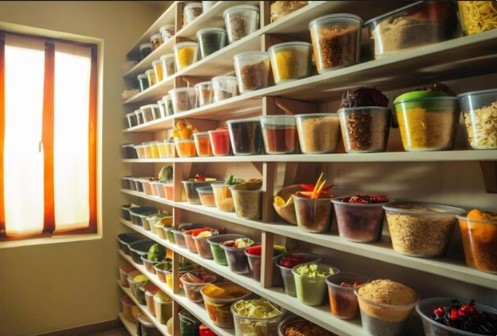
A well-stocked pantry makes everyday cooking easier, reduces last-minute grocery trips, and helps households prepare meals with ingredients they already have on hand. However, building a pantry doesn’t mean filling every shelf with food. The goal is to create a collection of practical ingredients that your family uses regularly without spending more than necessary.
Instead of buying everything at once, many experienced shoppers build their pantry gradually by taking advantage of weekly grocery promotions. The No Frills Flyer is a useful resource for identifying discounts on pantry staples, while the Food Basics Flyer allows shoppers to compare prices on similar products before deciding what to purchase.
Start with Everyday Essentials
Every pantry should include versatile ingredients that have a long shelf life and can be used in multiple recipes. Rather than buying products because they’re popular, focus on foods your household actually uses.
A practical pantry often includes:
- Rice and pasta
- Flour and sugar
- Cooking oil
- Canned tomatoes
- Beans and lentils
- Oats
- Herbs and spices
- Peanut butter
These basics can be combined with fresh ingredients to prepare a wide variety of meals throughout the week.
Build Your Pantry Gradually
One common mistake is trying to stock an entire pantry during a single shopping trip. Besides increasing your grocery bill, this often results in buying products that sit unused for months.
A better approach is to add one or two pantry items each week, especially when they’re available at a promotional price. Over time, your pantry grows naturally without placing unnecessary pressure on your grocery budget.
This gradual method also gives you time to identify which products your family actually uses most often.
Use Flyers to Restock Strategically
Weekly grocery flyers make pantry planning much easier because they show which long-lasting products are currently available at reduced prices.
The No Frills Flyer regularly includes promotions on items such as pasta, canned vegetables, cereals, rice, baking ingredients, and cooking oils. Rather than replacing everything at once, shoppers can restock individual products as good deals become available.
Comparing similar promotions in the Food Basics Flyer helps you decide which offers provide the best overall value before making your purchase.
Organize Shelves for Easy Access
A pantry is only useful if you can quickly find what you need. Organizing products by category makes meal preparation simpler and prevents duplicate purchases.
Consider creating sections for:
- Grains and pasta
- Canned foods
- Baking ingredients
- Breakfast items
- Snacks
- Seasonings
Keeping similar products together also makes it easier to notice when supplies are running low.
Rotate Products Regularly
Even foods with a long shelf life should be rotated. Place newly purchased products behind older ones so that existing supplies are used first. This simple habit, often called “first in, first out,” helps reduce waste and ensures that pantry items don’t expire before they’re used. Checking expiry dates during monthly pantry reviews can also help you plan meals around ingredients that should be used sooner.
Avoid Buying Products You’ll Never Use
A promotion may seem attractive, but it isn’t a bargain if the product remains unopened in your pantry.
Before purchasing an item, ask yourself:
- Will this ingredient be used regularly?
- Does it fit our usual recipes?
- Do we already have something similar?
- Is there enough storage space available?
These questions encourage more thoughtful purchasing decisions and help prevent pantry clutter.
A Well-Stocked Pantry Saves Time
Beyond reducing grocery expenses, a pantry stocked with useful ingredients makes daily cooking much more convenient. Having essential items available means you can prepare meals even when you haven’t visited the grocery store recently. It also provides greater flexibility when unexpected guests arrive or busy schedules make shopping difficult. A carefully planned pantry supports both convenience and better household organization.
Conclusion
Building a well-stocked pantry is a gradual process that rewards thoughtful planning rather than impulse buying. By focusing on versatile ingredients, organizing shelves, rotating products, and restocking during weekly promotions, households can create a pantry that supports everyday cooking without overspending. The No Frills Flyer is a practical resource for finding deals on pantry essentials, while the Food Basics Flyer offers another helpful way to compare prices before shopping. Using both resources wisely allows Canadian shoppers to build a pantry that delivers convenience, value, and flexibility throughout the year.

