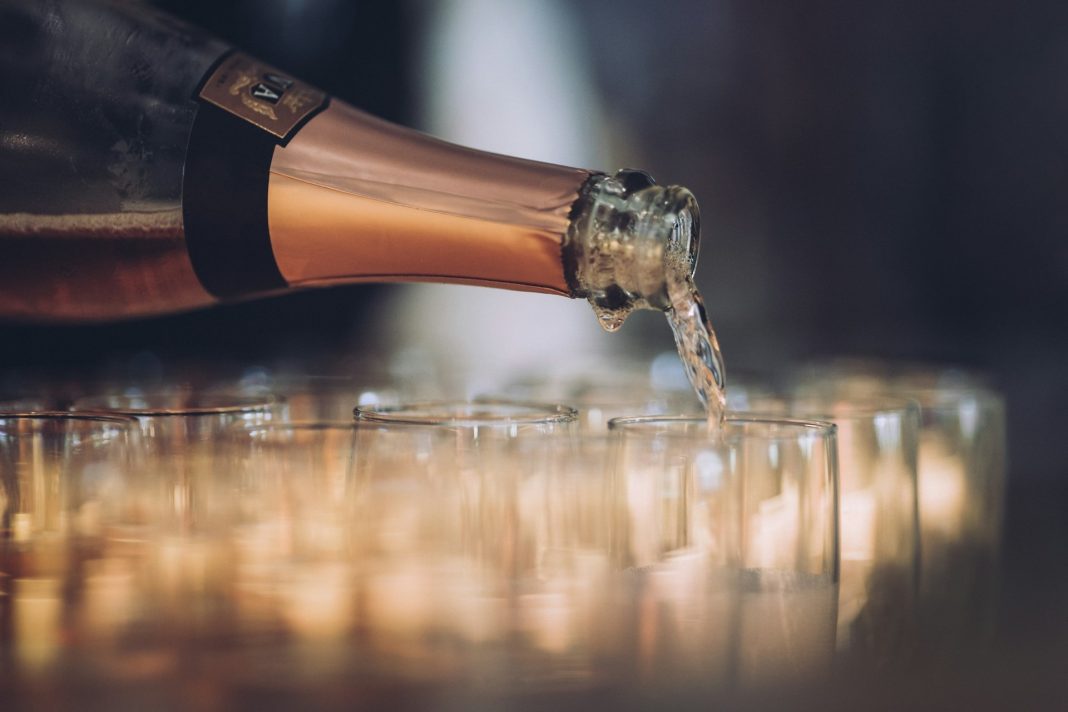
Walk into a duty-free shop, a wedding reception, or a high-end bar anywhere on the planet, and you can spot certain champagne bottles from across the room. Before the cork pops or the label is read, shape, color, and subtle design cues do the talking. These bottles have become visual shorthand for celebration, luxury, and heritage, built over decades of deliberate choices rather than flashy reinvention.
Champagne’s visual identity is not accidental. In a region where tradition carries real weight, producers understand that a bottle is more than a container. It is a signal of origin, status, and philosophy, and for the biggest houses, recognition in a split second is a competitive advantage.
The power of bottle design in champagne
The classic champagne bottle already stands apart. Its thick glass, pronounced punt, and gently sloping shoulders were born from necessity, designed to withstand pressure during secondary fermentation. Over time, that functional silhouette became iconic. The most recognizable houses have stayed close to this form, refining rather than reinventing it.
Within this shared framework, differentiation happens through details. Color plays a leading role. Deep green glass suggests cellars and aging, while clear bottles often signal modernity or a sweeter style. Foil texture, label placement, and even the weight of the bottle influence perception. These elements work together to create an instant emotional response before the wine is even tasted.
This is especially true for the world’s most visible champagne house. Anyone looking for more details about Moët & Chandon bottles will quickly notice how consistency functions as a branding tool. From the proportions of the glass to the confident black-and-gold label, nothing is designed to surprise. Everything is designed to reassure.
Labels that became cultural symbols
Some champagne labels have moved beyond the wine world and into popular culture. Veuve Clicquot’s yellow label, introduced in the late 19th century, was originally intended to stand out in crowded cellars. Today, it is one of the most recognizable wine labels globally, often associated with optimism and social celebration. Dom Pérignon took a more restrained route, opting for a shield-shaped label inspired by medieval heraldry, reinforcing its aura of prestige and historical depth.
Typography plays an equally important role. Serif fonts tend to communicate authority and heritage, while minimalist lettering suggests contemporary luxury. The most successful champagne houses rarely change their typefaces, understanding that familiarity breeds trust. In moments of celebration, consumers often reach for what they recognize rather than what surprises them.
Shape, texture, and the feel of luxury
Recognition is not purely visual. The physical sensation of holding a champagne bottle contributes to its perceived value. Heavier bottles suggest seriousness and craftsmanship, even if the difference is largely symbolic. The resistance of the wire cage, the texture of the foil, and the sound of the cork all form part of the experience.
Krug illustrates this philosophy well. Its understated label and classic bottle shape do not compete for attention, yet the tactile experience feels deliberate and refined. In a market where louder designs are common, this restraint becomes a signature, proving that quiet confidence can be more memorable than spectacle.
Heritage storytelling through glass
Champagne houses rely heavily on heritage, and their bottles act as silent storytellers. Many designs subtly reference the founding era of the brand, anchoring modern consumers to centuries of expertise. In a region where authenticity is closely guarded, continuity is a powerful asset.
Moët & Chandon offers a clear example. While the house regularly introduces limited editions and seasonal variations, the core structure remains unchanged. For those seeking more details about Moët & Chandon bottles, the key lies in balance. Innovation is allowed, but never at the expense of recognizability. Even without reading the label, the bottle announces its identity.
Why instant recognition still matters today
In the age of social media and global travel, visual identity travels faster than ever. A single photograph taken at a film festival or fashion event can influence purchasing decisions across continents. Instantly recognizable bottles ensure that a brand’s message survives being reduced to a thumbnail on a screen.
At the same time, consumers have become more informed and more skeptical. Overdesigned packaging can feel forced or inauthentic. The most enduring champagne houses understand this shift, choosing evolution over disruption and familiarity over novelty.
The quiet genius behind iconic champagne bottles
Instant recognition is rarely the result of one bold move. It is built through disciplined repetition and respect for identity over decades. In champagne, where image and experience are inseparable, the bottle becomes a promise. When you recognize it at a glance, you are not just seeing glass and paper. You are seeing history, expectation, and the anticipation of celebration, sealed beneath the cork.