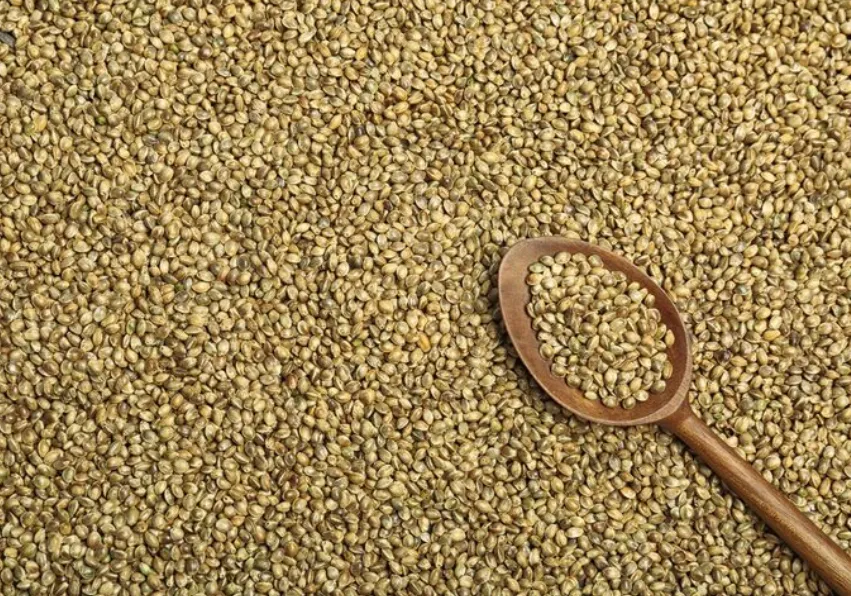
Cumin and coriander are staples in commercial kitchens, seasoning blends, ready meals, sauces and packaged foods across many markets. Once purchasing moves from small quantities to regular commercial orders, however, buyers need to think beyond flavour alone. Businesses looking to buy cumin seeds bulk India should consider purity, moisture, aroma, grading, packaging and consistency between shipments. A well-defined purchasing process helps food manufacturers and wholesalers receive ingredients that suit their production needs instead of relying on a general idea of what “good quality” should mean.
Why Cumin Quality Can Affect a Recipe
Cumin has a distinctive warm, earthy aroma that can influence an entire spice blend. In a commercial recipe, even modest variation between batches may become noticeable, especially when cumin is one of the dominant flavours.
Whole seeds give buyers several characteristics to evaluate before processing. Colour, aroma, seed condition and the presence of unwanted material can all provide useful information. Sadbhaav Spices also lists different cumin purity grades on its product page, illustrating why buyers should specify the grade they require rather than ordering solely by product name.
The intended use matters as well. Cumin destined for grinding may be assessed differently from whole seeds that remain visible in a finished food.
Make the Specification Useful
A purchasing specification should be detailed enough for both sides to understand what will be accepted. Instead of relying only on terms such as premium or export quality, buyers can establish measurable requirements.
Important considerations may include purity, moisture, foreign matter, damaged seeds, colour and aroma. Food businesses may also have microbiological or residue requirements based on their own quality programmes and the regulations of the destination market.
There is no single specification that suits every buyer. A spice blender, retail packer and ready-meal manufacturer can all purchase cumin while expecting different characteristics. Defining those requirements before requesting a large shipment makes approval more straightforward.
Cumin and Coriander Are Not Interchangeable Purchases
Cumin and coriander frequently appear together in recipes, but they have very different sensory profiles. Coriander generally provides a lighter, citrusy and aromatic character, while cumin contributes deeper earthy notes.
Businesses purchasing through coriander seeds wholesale channels should therefore develop a separate specification for coriander rather than simply applying their cumin checklist. Colour, aroma, cleanliness and seed condition remain important, but their acceptable characteristics should reflect how coriander will be used.
For example, a company selling whole coriander in transparent retail packs may place considerable emphasis on visual consistency. A manufacturer that roasts and mills coriander for a spice blend may be more concerned with aroma and flavour after processing.
Use Samples as Production Tests
Sample evaluation becomes more valuable when it reflects real production. Simply opening a bag and smelling the seeds gives only part of the picture.
If cumin will be roasted before grinding, test the sample after roasting. If coriander will be milled into a seasoning blend, produce a small trial batch and check whether the flavour works with the other ingredients.
A practical sample review may include:
-
visual cleanliness and seed condition;
-
aroma before and after processing;
-
flavour after roasting or grinding;
-
performance in the intended recipe;
Recording the results creates a useful standard for future deliveries and makes differences between lots easier to identify.
Think About Logistics Before Ordering
Quality control should continue beyond product selection. Bulk spices can travel through several warehouses and logistics points before reaching a manufacturing facility, so packaging has to suit the journey.
Buyers should confirm pack size, bag construction, liners where needed, labelling and batch identification. Products should then be stored in clean, dry conditions and protected from moisture and unwanted odours.
For international procurement, buyers should also clarify documentation requirements before dispatch. Import rules differ between markets, and addressing paperwork early can reduce the risk of unnecessary delays.
Build Consistency Across Repeat Orders
A supplier should not be judged only on the first attractive sample. For commercial buyers, consistent repeat performance is more important.
Incoming inspection records can reveal whether purity, appearance, aroma and other agreed characteristics remain stable. Production teams should also report changes that affect grinding, roasting or the finished recipe.
Agricultural products naturally vary from one crop or lot to another, but that does not remove the need for agreed limits. Clear communication between buyer and supplier helps manage natural variation without compromising the requirements of the final product.
Conclusion
Buying cumin and coriander in commercial quantities works best when procurement is connected directly to production needs. Buyers should define separate specifications for each spice, evaluate realistic samples, confirm packaging and document requirements, and monitor performance over repeat shipments. Focusing on these practical details helps manufacturers and wholesalers reduce unwanted variation while maintaining the aroma, flavour and consistency their finished products depend on.